
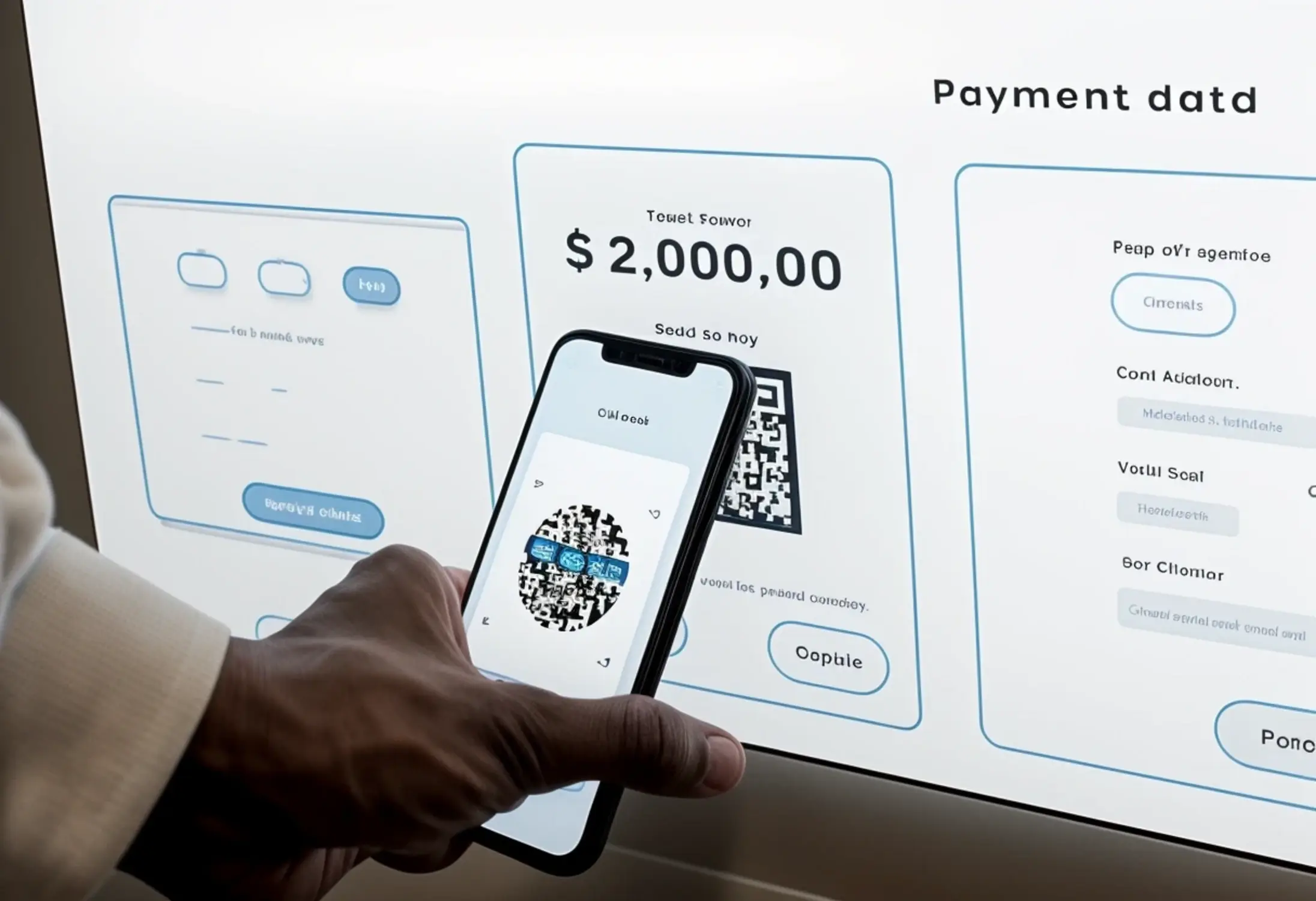
Tokenized payments present an innovative way for South Korea’s government to enhance public financial management, making spending more efficient and transparent. With blockchain technology driving this change, it’s crucial for citizens and businesses to understand how these developments will affect them now and in the future.
The Significance of Tokenized Payments in Fiscal Operations
Tokenized payments can significantly streamline government spending practices. By utilizing digital tokens that represent currency, South Korea aims to transform traditional financial operations into a more efficient system. This approach not only enhances the efficiency of transactions but also increases transparency in public financial management.
The potential impact of tokenized payments is vast. As officials adopt this technology, they can more accurately track spending, reduce fraud, and lower transaction costs. Many nations are witnessing a transition toward similar models, underscoring a global trend in government technology adoption that prioritizes digital solutions. For instance, a recent report highlights how regulators are exploring digital currencies to modernize fiscal policies and enhance administrative efficiency, as observed in various jurisdictions.
Current Applications of Blockchain for Government Use
South Korea’s government is at the forefront of adopting blockchain technology for fiscal operations, with pilot programs already in motion. The Ministry of Economy and Finance has initiated several blockchain-based payment projects which signify a commitment to innovation in the public sector. One notable example is their collaboration to test blockchain deposit tokens, which aim to replace traditional purchasing cards used for government transactions.
As part of these initiatives, the Sejong City pilot project will allow government authorities to explore programmable spending limits using tokenized deposits. According to industry experts, this approach could not only streamline payment processes but could also potentially decrease bureaucratic hurdles. Consequently, a successful evaluation of these pilot projects could lead to broader applications within the country’s public financial management strategies.
Pilot Programs and Their Expected Outcomes
The pilot program in Sejong City is a critical step towards broader implementation. The goal is to assess the efficacy of tokenized payments in a controlled environment, with success leading to nationwide scalability. Specifically, the South Korean government plans to convert one-quarter of treasury fund execution to digital currency by 2030, showcasing its long-term commitment to integrating blockchain technologies into public finance.
Predefined conditions that govern these pilot payments influence how funds are spent, ensuring accountability and traceability within public expenditures. The anticipated outcomes include significant reductions in operational costs, coupled with enhanced transparency in government transactions. This ambitious project reflects the nation’s forward-thinking approach to fiscal operations and public financial management.
Challenges to Implementing Tokenized Payment Systems
Despite the promising outlook, the transition to tokenized payment systems is not devoid of challenges. Technical hurdles such as data security and system interoperability remain significant concerns. Public perception issues, particularly around the comfort and acceptance of digital currencies, could also impede progress. Furthermore, regulatory considerations are imperative; without a supportive legal framework, the rollout plans could face setbacks.
Navigating these barriers will require extensive collaboration between the government, technology providers, and the general public. By addressing technical complexities and fostering public trust, South Korea can efficiently implement blockchain payment systems while considering the socio-economic effects that accompany such transitions.

Implications for Businesses and Consumers
Tokenized payments will have profound implications for businesses that interact with government entities. For instance, companies will likely benefit from quicker transaction times, reduced fees, and improved cash flow due to streamlined government expenditures. Moreover, as payments become more transparent, businesses can monitor their contributions to public projects effectively.
Consumers stand to gain from this shift as well. Fiscal transparency is expected to increase, potentially leading to improved government accountability in spending. As tokenized payments become more common, citizens will transition from traditional systems to a more modern fiscal framework, necessitating a broad understanding of these changes. Educating the public on the benefits and mechanics of tokenization will be essential for smoothing this transition.
Future of Tokenization in South Korea’s Public Sector
Looking beyond current pilot programs, the evolution of tokenized payments in public financial management holds great promise. Experts predict an expansion of blockchain applications across various sectors, as government initiatives gain traction. By 2030, South Korea could witness a substantial shift in its fiscal landscape, driven by digital currency usage.
Societal shifts are also anticipated alongside this digital evolution. Increased participation in digital economies, changes in consumer behavior, and a proactive approach to community engagement in financial discussions may emerge as citizens become more informed about tokenized payments. These trends may redefine how South Koreans perceive and interact with their government financially.
Steps Toward Enhanced Financial Management
As the South Korean government makes strides toward implementing tokenized payments, individuals and businesses should take proactive steps to adapt to these changes. Staying informed about government initiatives is crucial, as active participation can shape future public financial management practices.
Encouraging community engagement in discussions about financial innovations can foster a collaborative environment where citizens feel empowered to take part in this transformation. As tokenization becomes more pervasive, understanding its implications on daily spending will be essential for all stakeholders involved.